Trading Essentials for Beginners and Experts
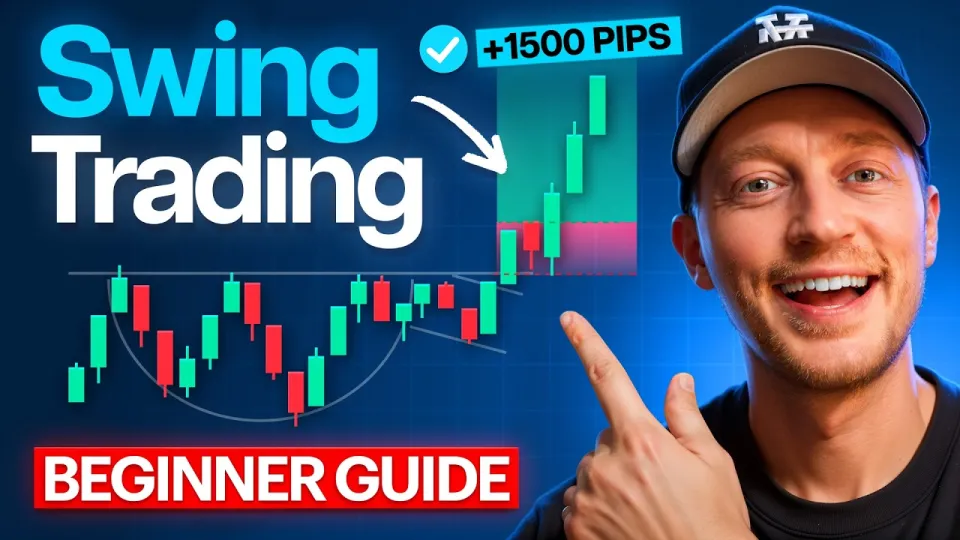
Video: How to Start Swing Trading the Complete Beginner's Guide
Want articles like this for your own video to promote it on YouTube and Google? Order them through the Telegram bot @sat_sit_bot. It writes articles around your video, embeds the video and publishes them on popular niche websites (no ads). Try it free: 50 articles on us.
· based on the channel Trade with Pat
Key takeaways
- Swing trading captures medium-term price moves lasting days to weeks
- Risk management and discipline are crucial for trading success
- TradingView and VPS improve technical analysis and execution
- Trade with Pat offers free signals and a supportive trading community
- Consistent strategies outperform chasing quick profits
Trading is the process of buying and selling financial instruments like stocks, forex, or cryptocurrencies with the goal of making a profit. Swing trading, a popular method, focuses on capturing price movements over several days or weeks, making it less stressful than day trading but more active than long-term investing. Beginners can start trading by understanding market trends, mastering risk management, and using reliable tools and strategies. For ongoing support, joining the Trade with Pat free trading community offers signals, resources, and mentorship.
Understanding Swing Trading
Swing trading aims to profit from short-to-medium-term price swings by holding positions for a few days to a couple of weeks. Unlike day trading, it doesn't require constant screen time, which reduces stress and burnout. Swing traders analyze technical indicators and chart patterns to identify entry and exit points. Key advantages include the ability to trade part-time and capture larger price moves than scalping or day trading. Popular markets for swing trading include forex, stocks, and commodities like gold.
Essential Swing Trading Strategies
Successful swing trading relies on clear strategies based on price action and trend analysis. Common approaches include:
- Trend Following: Identify the dominant market trend and trade in its direction using moving averages or trendlines.
- Support and Resistance: Enter trades near key support or resistance levels where price reversals often occur.
- Breakout Trading: Capture gains when price breaks above resistance or below support with increased volume.
Pat emphasizes focusing on one solid edge rather than chasing multiple strategies. Risk control, like setting stop losses and position sizing, is part of every trade plan.
Managing Risk and Emotions
Risk management is vital to preserve capital and ensure longevity in trading. Typical guidelines include risking only 1–2% of your trading capital per trade and always using stop-loss orders. Emotional discipline helps traders stick to their strategies despite market volatility. As one trader shared, losses can shake confidence, but maintaining risk control and patience leads to improvement. Swing trading is less stressful due to longer time frames, allowing more thoughtful decisions.
Tools and Resources for Swing Traders
Modern tools improve analysis and execution. TradingView offers advanced charting and technical indicators to spot swing trade opportunities. Using a Virtual Private Server (VPS) ensures stable and fast trade execution, especially important for forex trading. Automated trading robots like Trade with Pat ROBOT or Forex Fury can assist less confident traders but require understanding and monitoring. Joining communities like Trade with Pat's Discord and Telegram provides valuable insights, weekly free signals, and peer support.
Common Questions and Challenges in Trading
Many beginners struggle with starting capital, confidence, and strategy selection. Real stories show that even a $2,000 start can grow steadily with proper education and risk management. Some traders face drawdowns but recover by refining their approach. Avoiding “get rich quick” mindsets and focusing on a consistent process is key. For example, one trader turned financial hardship around by prioritizing risk and discipline over chasing fast gains.
Useful Links
- Join the free community for mentorship and signals: https://bit.ly/twpcord
- Register for trading platforms recommended by Pat: https://bit.ly/twpRisenFX
- Get weekly free trading signals: https://t.me/tradewithpatfree
- Subscribe for more strategies: https://bit.ly/FRNsubscribe
- Explore VIP support: https://t.me/TWPVIPBot
Conclusion
Starting swing trading requires a clear understanding of market trends, disciplined risk management, and reliable tools. It offers a balanced approach between active trading and patience, making it suitable for beginners and experienced traders alike. The Trade with Pat channel provides valuable education, community support, and resources to help traders develop consistent strategies and grow their accounts. For anyone serious about trading, joining the free community at https://bit.ly/twpcord is a recommended first step toward success.
Questions & answers
What is swing trading and how does it differ from day trading?
Swing trading involves holding positions for several days to weeks to capture price swings, whereas day trading closes positions within the same day. Swing trading is less time-intensive and generally less stressful than day trading.
How much capital do I need to start swing trading effectively?
You can start with a few thousand dollars, as some traders have grown small accounts substantially with discipline and risk management. It's important to risk only a small percentage per trade and focus on consistent strategies.
What are the key risk management principles for beginners?
Risk only 1–2% of your capital per trade, always use stop-loss orders, and maintain emotional discipline to follow your strategy even during losing streaks. Proper risk management preserves capital and ensures long-term success.
Can automated trading robots help beginners in swing trading?
Automated robots can assist less experienced traders by executing predefined strategies, but they require understanding and monitoring. They are tools to complement, not replace, a trader’s knowledge and risk control.
Source: How to Start Swing Trading the Complete Beginner's Guide · Markdown version